

Why Every Real Estate Developer Needs a Content Strategy That Drives Sales
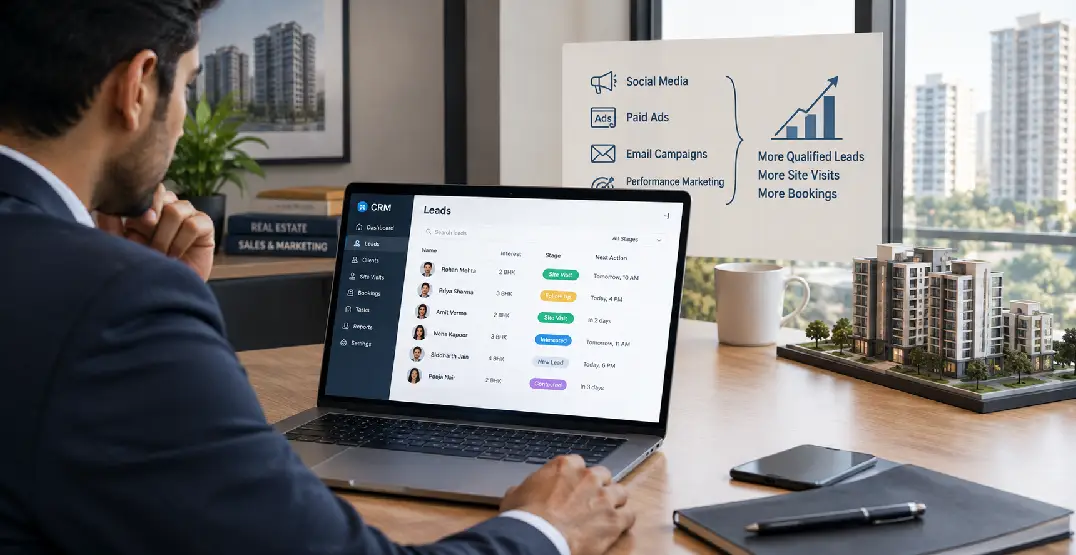
Real estate has gotten a lot more competitive. Buyers today aren't making decisions off a newspaper ad or a single site visit anymore before they even show interest in a project, they're online for weeks, comparing properties, checking out developers, reading reviews, digging through project details on half a dozen platforms.
That shift in buyer behaviour has made digital marketing central to whether a project actually succeeds. Whether you're launching something new, trying to push up site visits, or just want faster sales, the real estate marketing agency you pick can genuinely make or break your results.
Start by Getting Clear on What You Actually Want
Before you even talk to an agency, figure out what you're trying to achieve. Different projects need different approaches, and your goals should shape the kind of support you bring in.
for Instance
1. A newly launched project might need strong brand-awareness campaigns to build buzz.
2. A ready-to-move-in development, needs sharper lead generation aimed at actual conversions
3. Luxury projects call for a completely different tone than affordable housing.
Having clarity here helps you and the real estate marketing agency build a roadmap that's actually focused, instead of throwing tactics at the wall.
Pick an Agency That Actually Knows Real Estate
Marketing a property is nothing like marketing most other products. There's a bigger financial commitment, a longer decision cycle, and a lot more emotional weight riding on the purchase. Industry experience isn't a nice-to-have here — it matters.
A real estate marketing company that's worked in this space understands how buyers think, what actually moves them, and how market trends shape purchasing behaviour. They know how to position a project, play up location advantages, communicate investment potential, and write messaging that lands with the right audience.
Experienced agencies also get the operational side inventory pressure, launch timelines, lead quality issues, competition and that understanding usually saves you from expensive mistakes early on.
Look at Their Strategic Thinking, Not Just Their Service List
One of the more common mistakes developers make is picking an agency purely off the services listed on their website. Social media, ads, video, websites all useful, sure, but strategy needs to come first.
A solid property marketing company starts by understanding the bigger picture studying your competitors, your audience, your project's actual strengths before recommending a single campaign. Worth asking any agency you're evaluating:
- How will you differentiate our project from competitors?
- Who do you think our ideal buyer actually is?
- Which channels will deliver the best results for us?
- How will you measure success?
The quality of their answers tells you a lot about whether they're thinking strategically or just executing tasks.
Check Their Digital Marketing Range
Buyers today interact with brands across a lot of digital touchpoints, so your marketing partner needs range across the ecosystem, not just one or two channels.
SEO —
A strong SEO strategy gets your project showing up when buyers are actually searching. Over time, this builds a steady stream of high-intent organic traffic and takes pressure off your ad spend.
Performance Marketing —
Paid ads are still one of the most effective ways to generate enquiries. A capable real estate marketing agency should have real experience across Google Ads, Facebook, Instagram, and YouTube and more importantly, should be chasing quality leads, not just volume.
Content Marketing —
Content builds trust. Buyers want information before they commit, and good content walkthrough videos, location highlights, investment articles, buyer guides, testimonials keeps your project credible and top-of-mind through the whole journey.
CRM Integration and Lead Nurturing —
Generating leads is only half the job. The best agencies know how to plug marketing into your CRM, automate follow-ups, and build workflows that actually move prospects through the funnel instead of letting them go cold.
Review Their Creative Work Closely
Real estate marketing isn't just about grabbing attention — it's about creating aspiration. Buyers picture a lifestyle before they picture a home, which makes branding and creative work genuinely essential.
When you're evaluating a real estate marketing company, look closely at their past work — branding, brochures, ads, videos, social campaigns, websites. Strong creative should reflect the project's positioning, build an emotional connection, stay consistent, highlight what makes the project different, and speak to the right audience. Premium projects deserve premium storytelling — that's not negotiable.
Focus on ROI, Not Vanity Numbers
A lot of agencies love talking about impressions, reach, and engagement. Those numbers aren't meaningless, but they don't necessarily translate into sales. A serious property marketing company tracks metrics that actually move revenue:
- Qualified leads generated
- Cost per lead
- Site visits scheduled
- Lead-to-visit ratio
- Conversion rates
- Return on marketing investment
Ask how often they report and what indicators they're actually tracking. Transparency shouldn't be optional here.
Watch for These Red Flags
Picking the wrong agency wastes both time and budget. Keep an eye out for:
- Guaranteed sales promises
- No real estate case studies to show
- Generic, copy-paste proposals
- No clear reporting structure
- Heavy reliance on paid ads alone
- Little grasp of your actual target audience
A trustworthy agency sets realistic expectations and focuses on sustainable growth, not big promises that don't hold up.
Find a Partner, Not Just a Vendor
The developers who get the best results don't treat their agency as a vendor to be managed — they treat them as a genuine growth partner. A dependable real estate marketing company works closely with your sales team, understands where you're headed long-term, and keeps refining strategy based on real feedback and performance.
As your project portfolio grows, a partner who already understands your brand adds consistency, saves time, and speeds up every launch that follows.
Conclusion
Choosing the right real estate marketing agency is one of the bigger decisions a developer makes in today's market. The right partner brings industry knowledge, strategic thinking, digital expertise, strong creative work, and a focus on results that actually matter.
Instead of chasing the lowest price or the biggest promises, evaluate agencies on how well they understand real estate, how customised their strategies are, and how committed they are to measurable outcomes. The right property marketing company doesn't just bring better leads — it strengthens your brand and supports growth for the long haul.
Ready to grow your revenue?