

How to Position a Real Estate Project on Social Media in a Competitive Market
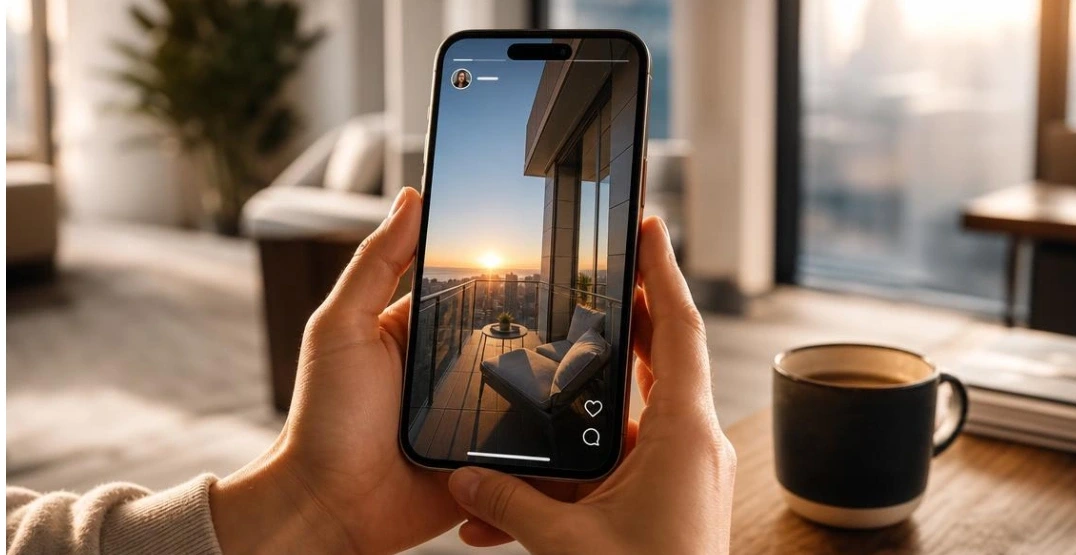
Most builders are currently playing a game of "who can shout the loudest" on Instagram and Facebook. You see the same stock photos of smiling families, the same "Luxury 2 & 3 BHK" headlines, and the same desperate "Book Now" buttons. Honestly, it’s exhausting for the buyer. In a market like Mumbai or Pune, where twenty projects are launching in the same pincode, your real estate social media marketing needs to do more than just exist; it needs to occupy a specific corner of the buyer’s mind.
The Problem: In 2026, the buyer isn't looking for a house; they are looking for an escape from their current problems. If you're selling "flats," you're competing on price. If you're selling a "narrative," you're in a league of your own.
Why Most Real Estate Social Media Marketing Fails Before It Starts
Here’s the hard truth: most social media plans fail because they are treated as a digital dump for brochures. Developers often hire an agency, give them a folder of 3D renders, and say, "Make us famous." But without a hook, you’re just adding to the noise.
If your content doesn't stop the scroll within two seconds, you've already lost the game. Most real estate social media marketing fails because it lacks empathy. It focuses on what the builder wants to sell, rather than what the buyer is currently feeling or fearing. You can't bore people into buying a home.
Real Estate Social Media Marketing Is Not Posting. It Is Positioning
There is a massive difference between keeping a page active and building a brand. Effective real estate social media marketing is about engineering a specific perception.
- The Question: Are you the "affordable luxury" expert?
- The Alternative: Are you the "timely delivery" king?
- The Human Angle: Or are you the builder who understands that a 2 BHK isn't just square footage, but a sanctuary from a two-hour commute?
Positioning is the silent promise you make to the buyer before they ever visit your site office. It’s about building a narrative that makes your price point feel like a steal, regardless of the competition.
Understanding the Buyer’s Scroll Behavior in 2026
The buyer of 2026 is hyper-aware. They can smell a sales pitch from a mile away and their thumb is faster than your best headline. They don't go to Instagram to look for a house; they go to escape, to be entertained, or to feel something.
To win, your project must blend into their feed naturally. If you show up looking like an intrusive ad, you're invisible. Understanding this "passive discovery" phase is crucial. They might see a video of your project’s sunrise view today, a neighbor’s testimonial next week, and only then when they’re ready will they actually search for your name.
Step 1: Define Your Project’s Unique Market Narrative
Before you even open Canva, you need a story. Every project has a soul, even if it's currently just a hole in the ground.
- Angle A: "The New Center of the City" (Focus on growth/investment).
- Angle B: "Escape the Concrete Jungle" (Focus on amenities/nature).
If you can't describe your project's vibe in one sentence without using the word "luxury," you don't have a narrative yet. This story becomes the North Star for every reel, post, and story you publish.
Step 2: Project Positioning Social Media Framework
To stand out, you need a structured approach. A project positioning social media framework isn't just about a color palette; it's about defining your "Enemy" and your "Hero."
| The Element | The Definition |
| The Enemy | What is the buyer running away from? (Cramped spaces, long commutes, noise) |
| The Hero | What is your project’s superpower? (Private decks, soundproof windows, prime connectivity) |
| The Evidence | Real-world proof that the hero is winning. (Construction updates, customer interviews) |
By defining what you stand against, you automatically attract the people who feel that pain.
Step 3: Content Buckets That Make Your Project Look Different
Variety is the spice of retention. If you only post project renders, your engagement will tank. You need to mix it up into three distinct categories:
- The "Vibe" Bucket: Cinematic shots of the locality, the morning light in the balcony, or the texture of the materials.
- The "Expert" Bucket: Explaining why the new metro line nearby actually matters for property appreciation.
- The "Proof" Bucket: Real construction updates, laborer stories, and architect interviews.
This differentiation real estate strategy ensures you aren't just selling a product, but demonstrating expertise and progress.
Step 4: Visual Strategy That Breaks the “Brochure Look”
Stop using the same glossy, clinical renders that every other builder uses. In 2026, raw is real. Use high-quality smartphone footage of the site. Show the actual view from the 15th floor, even if there’s a bit of haze. People trust what looks "unfiltered." Mix professional photography with candid "Day in the Life" snippets. If your feed looks like a Pinterest board for a real home rather than a real estate catalog, you’ll find that people actually want to follow you.
Step 5: Captions That Sell the Idea, Not the Apartment
"Spacious 2 BHK starting at 1.2 Cr" is a price tag, not a caption. Instead, try: "That first cup of coffee feels different when you aren't staring at your neighbor's wall." Sell the feeling of privacy. Sell the relief of a shorter commute. Use questions to trigger comments. Captions should be the "human voice" behind the visual. Use contractions, keep it punchy, and for heaven's sake, stop using twenty hashtags that no one clicks on anyway.
Step 6: Competitive Marketing Property; Standing Out in Crowded Feeds
In a competitive marketing property environment, you have to be bold. Sometimes that means calling out common industry lies or being brutally honest about the neighborhood's current construction noise.
Honesty is a rare commodity in real estate. When you tell the truth—even the slightly inconvenient parts -- you build a level of trust that no flashy "celebrity endorsement" can match. It makes your project feel like the "honest choice" in a sea of marketing fluff.
Step 7: Platform-Wise Positioning
Don't cross-post the same thing everywhere. It feels lazy.
- Instagram: Focus on high-quality visuals and Reels for discovery.
- Facebook: Use community-building and detailed "Long-form" updates for the 35+ demographic.
- YouTube Shorts: Fast, punchy construction updates and "FAQ" snippets.
Each platform has a different "vibe." Your real estate social media marketing should adapt its tone casual on Reels, slightly more informative on Facebook, and strictly visual on YouTube.
Step 8: Turning Engagement into Enquiries
Asking people to "DM for details" is an extra step most people won't take. Instead, use "Low-friction" calls to action. Offer a "Locality Price Guide" or a "2-Minute Project Quiz." Give them something of value in exchange for their interest. This moves them from being a passive scroller to an active lead without making it feel like a sales pitch.
Step 9: Retargeting Social Media Viewers into Site Visits
Social media is the "First Date," but the site visit is the "Proposal." You need to bridge that gap. Use retargeting ads to show specific content to people who have watched at least 50% of your videos. Show them a "What to expect at our site office" video. Introduce them to the sales manager. By the time they actually decide to visit, they should feel like they already know the place.
Step 10: Common Mistakes That Make Projects Look Generic
Being Boring: Using "robotic" automated replies.
- Ignoring Comments: This signals that you don't care about customer service.
- Buying Followers: It ruins your engagement rate and tells the algorithm your content is uninteresting.
- Static Renders Only: In 2026, if it doesn't move, it doesn't get seen.
Practical Example: Positioning a 2 BHK Project Differently
Imagine two projects in the same area. Project A sells "Luxury 2 BHKs." Project B sells "The Only 2 BHK with a Dedicated Work-From-Home Cabin." Project B has successfully positioned itself for the post-pandemic professional. They don't need to compete on price because they are providing a specific solution to a specific problem. That is the power of positioning over mere posting.
Measuring What Actually Works in Real Estate Social Media Marketing
Stop obsessing over "Likes." They are vanity metrics. Focus on "Shares" and "Saves." If someone saves your post, they are considering your project. If they share it with a spouse, you’re in the "inner circle" of their decision-making process. Ultimately, the only metric that matters in real estate social media marketing is how many people walk through your doors because of a video they saw at 11 PM.
Social Media Is a Perception Engine
At the end of the day, your social media presence is the digital soul of your project. It’s not just a place to dump photos; it’s where you build the dream. If you're ready to stop being "just another project" and start being a landmark, it’s time to rethink your strategy. Agencies like Abstract Digital World can help you navigate this complex landscape, ensuring your real estate social media marketing actually translates into revenue, not just reach.
Ready to grow your revenue?