

How Digital Marketing is Transforming the Real Estate Industry
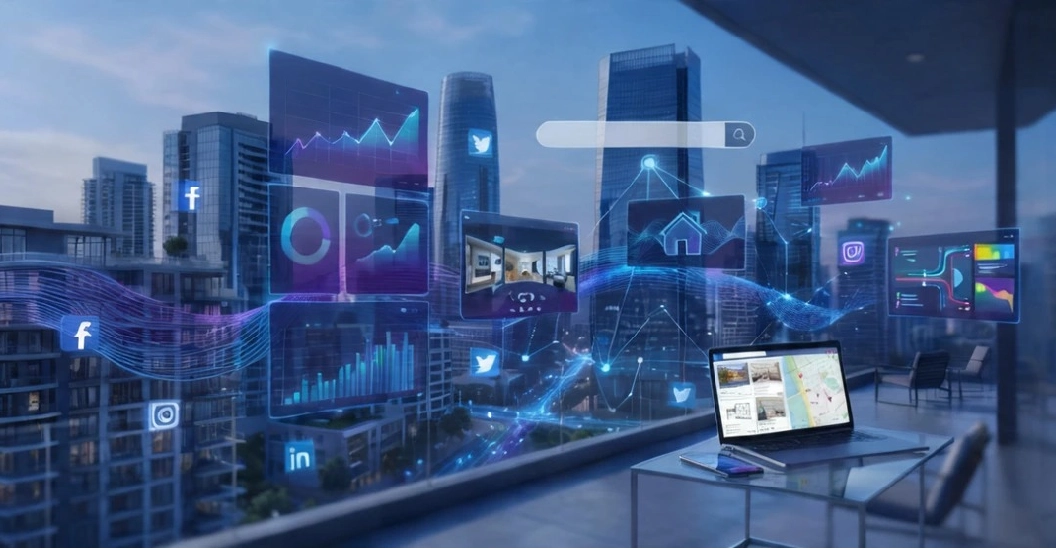
Imagine a time, not too long ago, when finding a new home felt like a part-time job. You’d spend your Saturday mornings circling tiny black-and-white ads in the newspaper, followed by an afternoon of driving aimlessly through neighborhoods, hoping to spot a "For Sale" sign. It was a game of chance, dominated by physical brochures and the hope that the agent's description matched reality.
While those days have a certain nostalgia, the real estate world has moved on. Today, the journey to a new front door starts on a smartphone screen, often while someone is sitting in bed or commuting to work. This shift isn't just about convenience; it’s a total reimagining of how we connect with the spaces we live in. For developers and brokers, digital marketing for real estate industry strategies have become the bridge between a brick-and-mortar project and the person dreaming of living there.
A New Way of House Hunting
The "search" has become deeply personal. We no longer wait for an agent to tell us what’s available; we set our own filters, explore maps, and dive into high-resolution galleries. This newfound autonomy means that by the time a buyer actually picks up the phone, they are already halfway to a decision.
Because of this, property experts are pouring their energy into real estate digital marketing to make sure they show up at the exact moment a buyer types "homes near me" into a search bar. It’s about being helpful and visible in a crowded digital landscape where attention is the most valuable currency.
The Power of the First "Digital" Handshake
In 2026, your property’s "curb appeal" isn't the landscaping- it’s your website’s loading speed and how your photos look on a mobile screen. Most people will have compared your prices, checked your proximity to local schools, and read three different forum threads about your construction quality before they ever visit your sales office.
This is why a strong online reputation is everything. Through Search Engine Optimization (SEO), developers ensure they’re not just another option in a crowded market. They create targeted content that answers real buyer questions: Is this a good investment? What’s the neighborhood like? Can I view the floor plan? And as search evolves beyond keywords, Answer Engine Optimisation (AEO) is becoming the next frontier real estate brands need to prepare for.
When you provide these answers transparently, you build a level of trust that traditional billboards simply can’t match.
Social Media: Building Communities, Not Just Ads
Platforms like Instagram and TikTok have turned real estate into a visual conversation. It’s no longer about a static "For Sale" post. It’s about a cinematic Reel that shows the golden hour sunlight hitting a kitchen island, or a "Behind the Scenes" video of the foundation being poured.
The real magic, however, is the ability to talk to the right people. Instead of shouting into a megaphone at a crowded stadium, social media ads allow developers to whisper directly to the person who just got a promotion or the couple looking for their first nursery. By targeting specific life milestones, marketing becomes a service rather than an interruption.
Stepping Inside Without Leaving the Couch
Perhaps the most "sci-fi" change in the industry is the rise of virtual 3D tours. For anyone who has ever moved cities or tried to buy property from abroad, this is a lifesaver. You can now "walk" through a hallway, check the depth of a closet, and see exactly how much light a window lets in, all through a VR headset or a laptop screen.
For developers selling "off-plan" (before the building is finished), this is a game-changer. It removes the guesswork. A buyer doesn't have to squint at a blue-and-white blueprint and try to imagine a living room; they can see it in photorealistic detail. This reduces anxiety and helps people fall in love with a home that hasn't even been fully built yet.
Data: Understanding What People Truly Want
One of the biggest shifts is how we use information. In the past, if an ad didn't work, nobody really knew why. Today, everything is measurable. If people are clicking on an ad for "green spaces" more than "luxury finishes," the developer learns something vital about what the community actually values.
Real estate companies use these insights to refine their message in real-time. By looking at the data, they can stop wasting money on things that don't resonate and focus on the features- like home offices or high-speed connectivity- that buyers are actually searching for. It’s a move toward a more "human-centric" way of selling.
Instant Connection and Constant Support
Digital marketing has also made the sales process more responsive and customer-friendly. With AI chatbots and instant messaging, a buyer’s late-night question about parking spaces doesn’t have to wait until the next business day for an answer.
Automated follow-ups and personalized email journeys mean that a buyer feels looked after, even during the months- long process of deciding on a home. It’s about staying top-of-mind without being a nuisance, providing the right information at the right time.
Why the Professional Touch Matters
Because the digital world moves so fast, trying to "wing it" can lead to missed opportunities and wasted budgets. A cluttered website or a dead social media page can actually push buyers away.
That’s why many successful developers are turning to specialists. Partnering with a dedicated Real Estate Marketing Company ensures that every part of the digital machine- from SEO to 3D tours- is working in harmony. In a business where one sale can change a company's year, having an expert guide the digital strategy is a smart investment.
The Future is Already Here
We are moving toward a world where AI will suggest homes to you based on your lifestyle habits, and Augmented Reality will let you "see" your own furniture inside a vacant shell of a house. These aren't just "cool features"; they are tools designed to make the biggest purchase of a person’s life feel less scary and more certain.
Conclusion
The digital transformation of real estate isn't just about technology- it’s about people. It’s about making it easier for a family to find their dream home and for developers to find the people who will truly love their projects.
From the first Google search to the final digital signature, the industry is becoming more transparent, more efficient, and more connected. Embracing digital marketing isn't just a trend; it’s the new way we build the communities of tomorrow.
Ready to grow your revenue?